By Uncle Gerry Laughton, Arrernte/Luritja Nations
The last Traditional fire I was privileged to see was in the early 2000s.
I was part of a heritage gathering at Uluru with Aboriginal people from across the country. We were invited by rangers and James Cook University to participate in sharing and learning about culture and heritage.
The Pitjantjatjara and Yankunytjatjara (Anangu peoples) welcomed us onto Country with open arms. Having many extended relations within this area I felt at home being of descent.
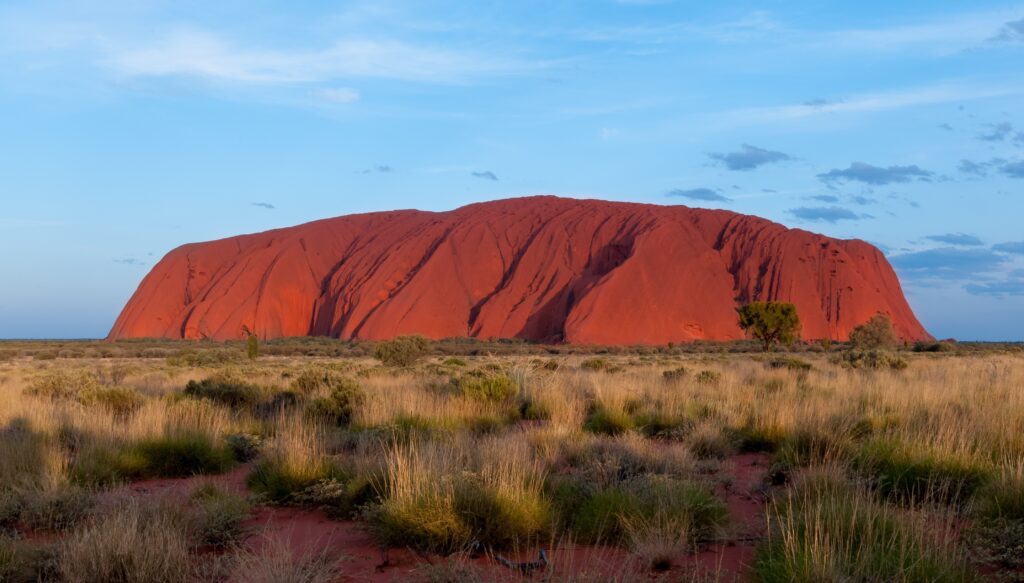
The learning involved Traditional stories depicted and outlined at the base of Uluru and within the cultural centre near Uluru, which has a diorama depicting the cultural dreamtime stories about Uluru. During the visit the men were shown Cultural initiation places and given a description of what would happen there. The women were also shown ceremonial places and artefacts specific for women only.
Reggie Uluru was a prominent Elder involved in sharing his cultural stories of place and showing his authority. There were also many others, proud of their heritage and proud of their place.
A few days into the visit, I saw smoke and flame coming from some away from Uluru and the park facilities. I asked if it was a bushfire.
“Nar!” was the reply. “It’s Old Reggie Uluru applying his cultural responsibility and burning the bush. It is right time!”
I could see Old Reggie walking within the smoke and flame. If I listened hard enough I could hear him singing a song of Country welcoming the smoke, flame and new life.
This was traditional fire, applied through ancient tribal lore.
In my opinion there is a big difference between Traditional fire and cultural fire, with modern cultural fire being conducted by an Aboriginal person within the confines of modern-day rules and regulations.
Sometimes too many rules and restrictions, make it hard to conduct a cool Traditional burn.
This is due to many reasons; the bush being modified, locked up, carrying big fuel loads, climatic factors, a shift away from traditional responsibilities, old Traditional fire practitioners passing on, and many other reasons.
Watch this space as will bring a good cross-sectional view from Aboriginal people with knowledge of burning and from those who participate in cultural burning.
Firsthand views from Aboriginal peoples.
Join Djidi djidiMembers portalMembers, advisors, volunteers and partnersRespectful relationshipsYarning with Djidi djidi