Behind the Foundation is a team of thoughtful, experienced people with a great deal to contribute to public conversations about forests, land management and care for Country.
This page brings together thought pieces, essays and commentary written by members of our team in their individual capacity. It is a space to share the ideas they care deeply about and the expertise they bring to their work.
The views expressed are those of the individual authors and do not necessarily represent the formal position of the Healthy Forests Foundation.
FEATURED ARTICLE
After fire, before recovery |
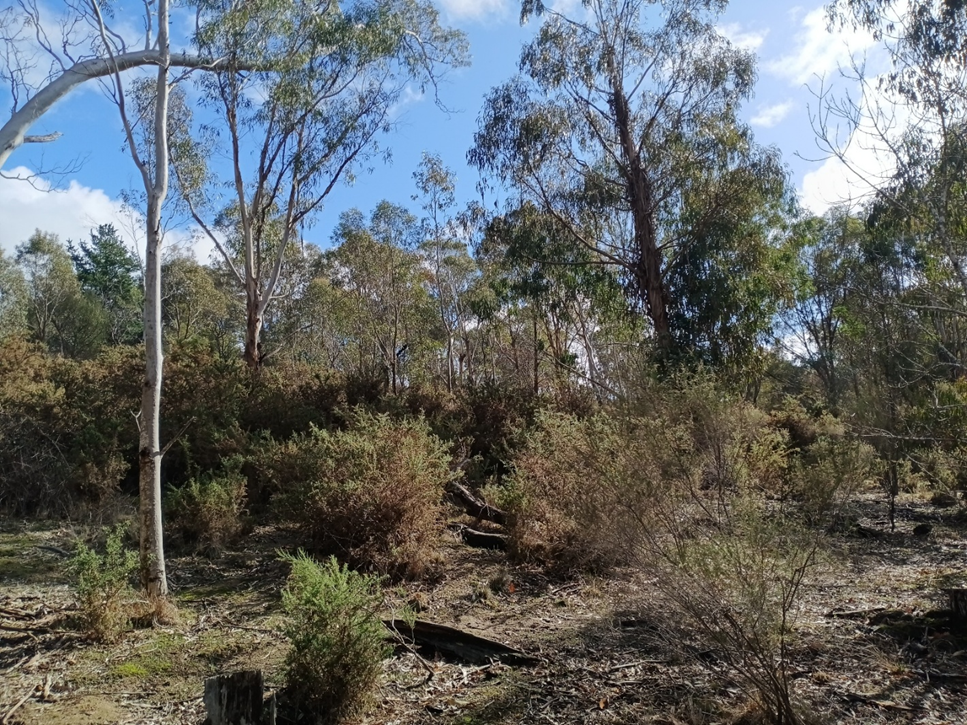
My sister and I counted lyrebirds. Our kids count deer.
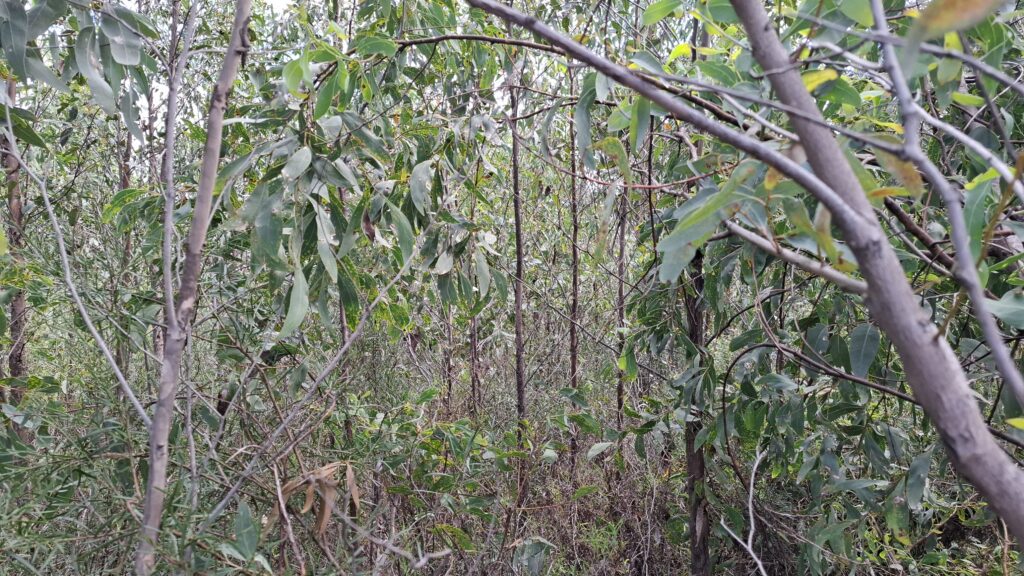
Post bushfire regrowth. Engineers Road, Bruthen, by Brooke Garas 15/04/2026.
Brooke Garas, Communications and information lead
15 April 2026, LinkedIn article
Brooke shares a personal story of growing up in East Gippsland, where childhood memories of counting lyrebirds and exploring the bush still shape how she sees forests today. She reflects on how those same landscapes are changing, and why that shift matters – not just professionally, but as a parent. It’s a piece about connection to place, noticing change over time, and the responsibility to care for forests so the next generation experiences something more than decline.
Read the article on LinkedIn.
Why Can’t We See the Trees for the Wood?
 Monique Dawson, CEO
9 April 2026, Substack
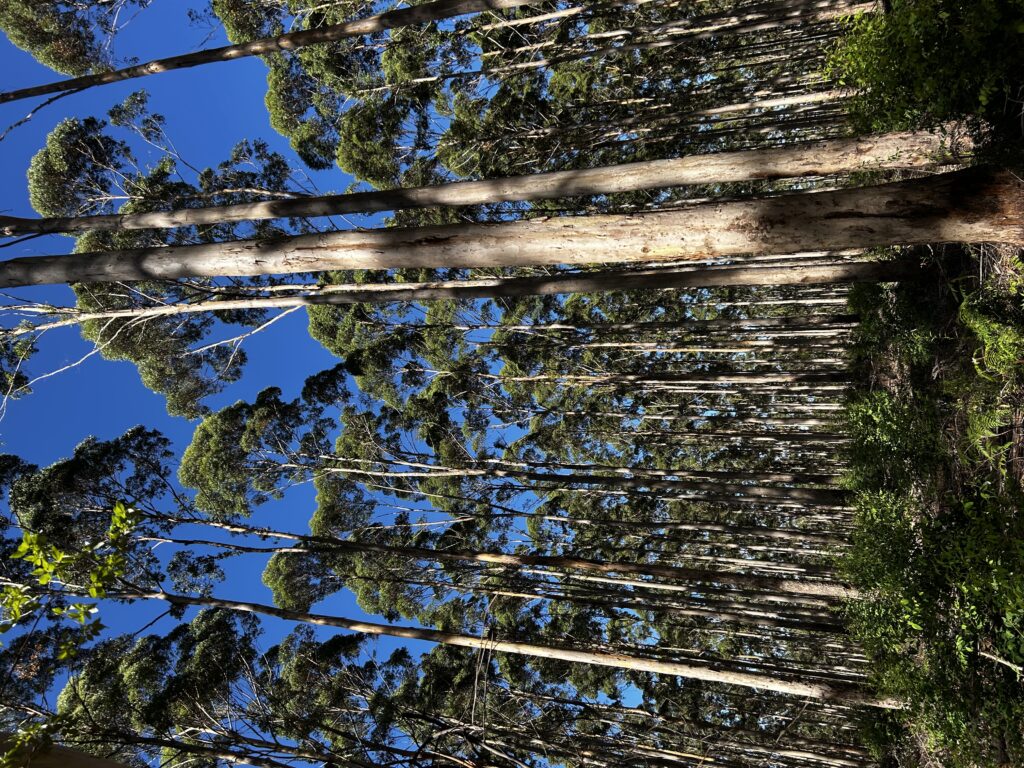
Forests are often judged by how many trees they contain, but that doesn’t always reflect how well they are functioning. Many forests are now too dense and under stress, with competition for water, light and nutrients affecting their health. The piece also looks at why this remains so contested in Australia, and how public debate has drifted away from how forests actually work. It calls for a reset – focusing on function, and where appropriate, using active management to restore balance.
Read the article on Substack.
Artemis, seeds, and the trees we carry with us
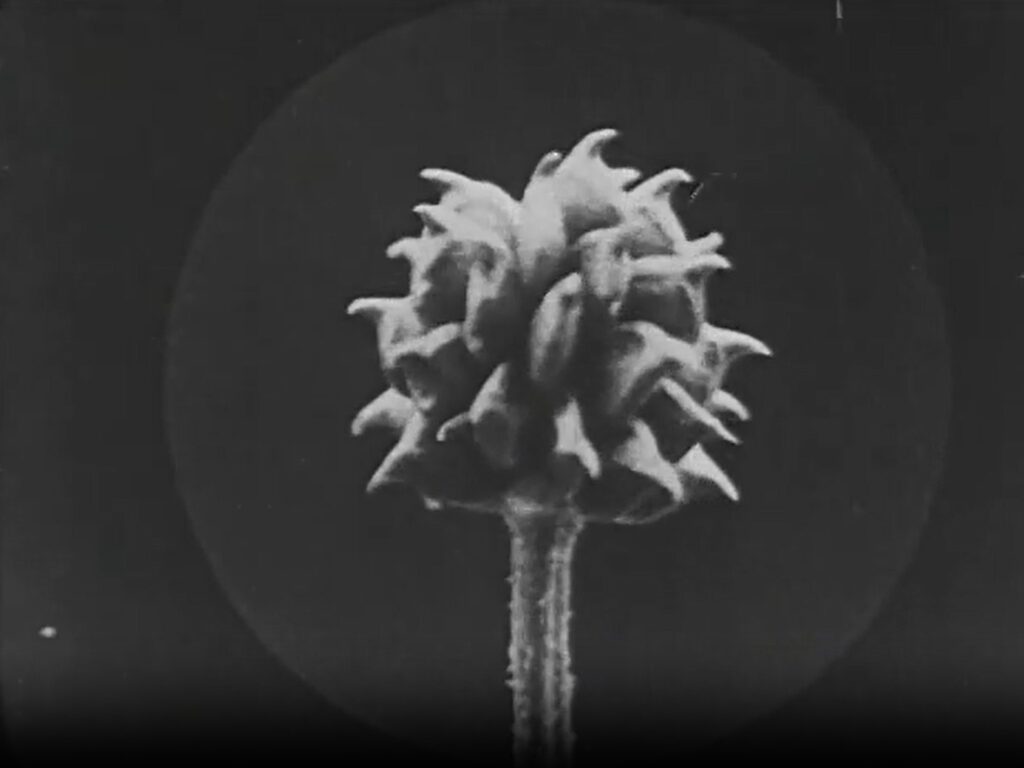
Screen shot of 1920s film about seed dispersal sourced from the Prelinger Archives, San Francisco.
Pia Angelike, Forest systems analyst
2 April 2026, Substack
Tree seeds have orbited the Moon, travelled through deep space, and returned to Earth to grow as if nothing happened. This piece looks at the long-running “Moon Tree” tradition, alongside the science of how seeds respond to spaceflight. It also sits with the bigger question underneath it all – why we keep taking trees with us, even to the Moon.
Caption: Screen shot of 1920s film about seed dispersal sourced from the Prelinger Archives, San Freancisco
Read the article on Substack.
Common species are not just part of the background
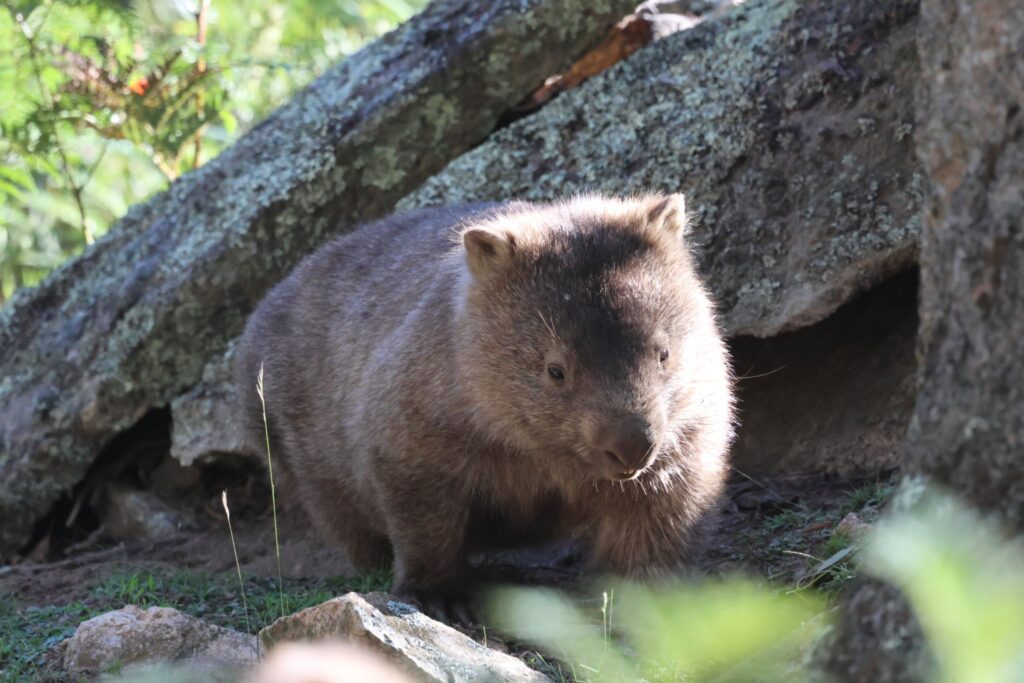
Wombat. By Tanya Britton 2026.
Tanya Britton, Project coordinator Eastern Victoria and Safety Officer
April 2026, LinkedIn post
Tanya shares a simple moment in the bush that opens into something much bigger. Using the everyday presence of wombats, she reminds us that common species are not just background – they play a critical role in how ecosystems function and how we read the health of Country. It’s a grounded piece about paying attention, and noticing what’s changing before it’s too late.
Read the post on LinkedIn.
We Keep the Benefits. We Export the Costs.
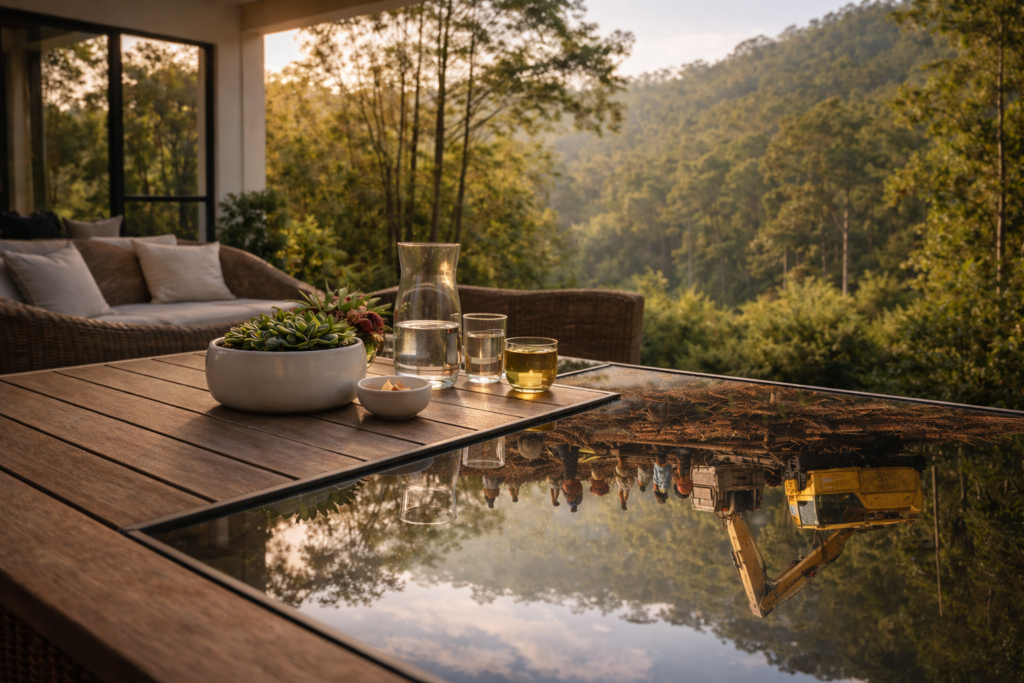
AI generated.
Monique Dawson, CEO
20 March 2026, Substack
This article explores how privilege shapes public debate, especially when people insulated from the consequences dismiss the trade-offs others have to live with. It looks at the tension between amenity and livelihood, and challenges the habit of exporting environmental and economic costs to communities with less power. It is a thoughtful piece about responsibility, lived experience and the need for more honest conversations about who pays.
Read the full article on Substack.
Dear Scientists: Science Is Too Important to Be Weaponised

When science is used as a weapon rather than a tool for inquiry, public confidence becomes collateral damage. AI generated.
Monique Dawson, CEO
11 March 2026, Substack
This article argues that science is too important to be turned into a weapon in public debate. It examines what is lost when evidence is overstated, complexity is flattened, and scientific authority is used to shut down scrutiny rather than invite it. Using forests as one example, it makes the case for a more disciplined, transparent and self-critical science culture – one that protects public trust by staying true to inquiry rather than advocacy.
Read the full article on Substack.
What does it mean to be a “good” environmentalist?
Monique Dawson, CEO
5 March 2026, Substack
This article looks at what it means to be a good environmentalist, and argues that environmental stewardship cannot be reduced to simple ideas of what is good or bad. Instead, it makes the case for a more grounded ethic – one that recognises humans as part of nature and takes seriously the different needs, trade-offs and constraints that shape people’s lives. It is a thoughtful piece about complexity, responsibility and a more honest kind of environmentalism.
Read the full article on Substack.
Reflections on becoming a “villain”
Monique Dawson, CEO
25 February 2026, Substack
Drawing on her prior experience as an executive public servant, Monique reflects on what it means to work in sectors under intense public scrutiny. She explores how dehumanising leaders can narrow public debate, shifting focus from the issue to the individual. It is a thoughtful and personal piece about what is lost when criticism becomes personal, and why that can make important public leadership roles less desirable for capable, committed people.
Read the full article on Substack.
Forests precede civilisations, deserts follow – right?
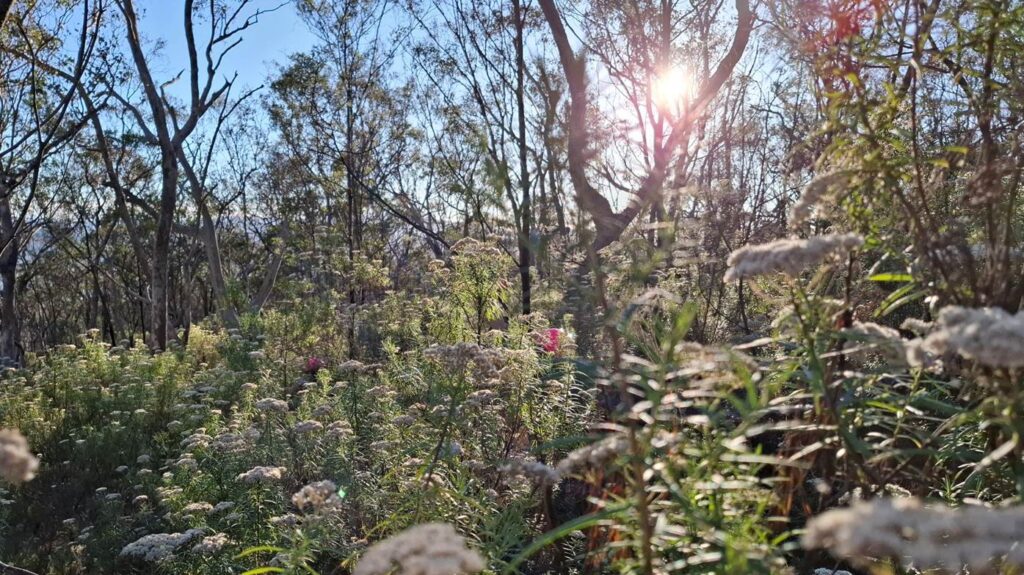 Pia Angelike, Forest systems analyst
16 February 2026, Substack
In her first Substack essay, Pia Angelike challenges the idea that the best thing humans can do for forests is simply step away. Drawing on European forestry traditions and Australia’s current debates, she argues that clearing forests and caring for them are fundamentally different – and that failing to recognise this leaves little room for stewardship, adaptation or repair. It is a thoughtful piece about how the stories we tell shape what we are willing to do for forests.
Read the full article on Substack.
Active conservationCase studiesForests' threatsHealthy forestsPeople in forestsPoliciesPositive actions