 Keeping forests healthy takes more than one idea, one tool or one campaign.
Across Australia, many forests are under pressure from severe fire, drought, weeds, pests, disease and the long disruption of First Nations care.
Many people who join campaigns for the protection of forests are motivated by a genuine desire to protect nature. That concern matters. But passive protection without care will do little to address the greatest threats to our forests.
Because many environmental campaigns have focused on the emotive issue of logging there has been very little discussion about the most significant threats and what needs to be done.
We want to have that conversation with you.
The greatest threats to our forests
Australia’s forests are under pressure from multiple, interacting threats – not just one. National reporting and scientific research consistently identify the same key drivers.
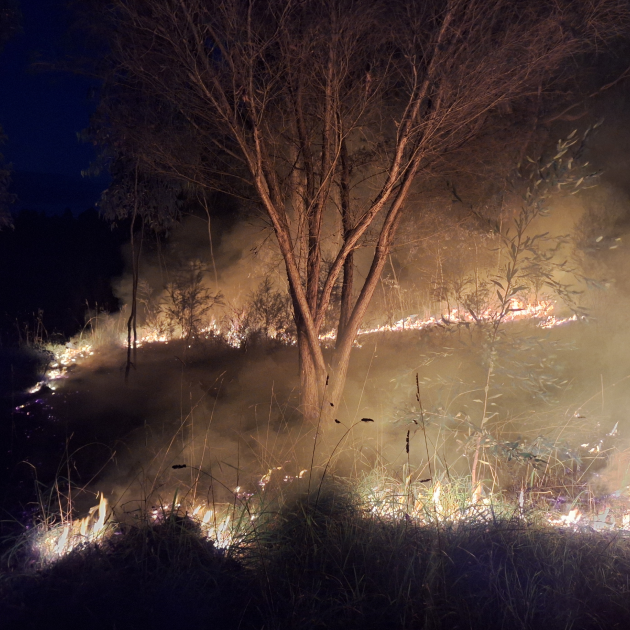
Severe fire is one of the most significant risks. While fire is a natural part of many Australian ecosystems, recent events have been larger and more severe, with increasing risk of repeated fire before forests can recover.
Climate change is intensifying these pressures. Hotter temperatures, changing rainfall patterns and more extreme conditions are increasing stress on forests and affecting their ability to recover after disturbance.
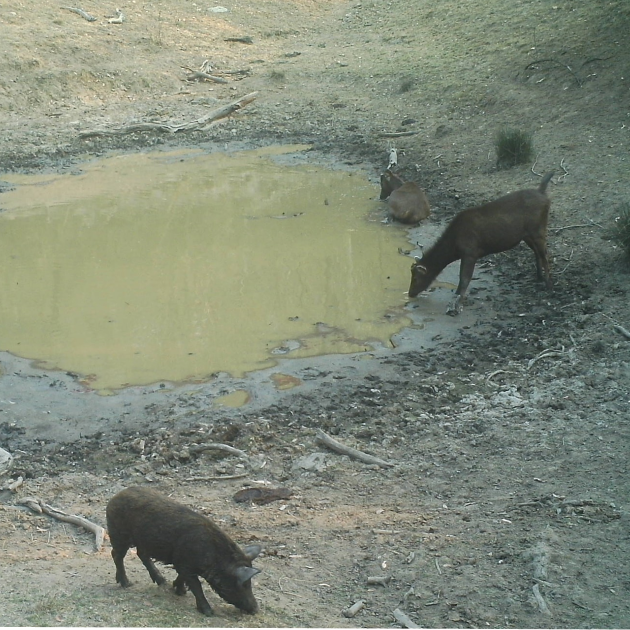 Pests, weeds and disease are widespread and significant pressures. Invasive species can outcompete native plants and degrade habitat, while pathogens can weaken or kill trees across large areas.
Changes to land management, including the disruption of First Nations practices, have altered vegetation structure and ecosystem dynamics in many parts of Australia.
Drought and long-term ecological stress are also affecting forest health, reducing resilience and increasing vulnerability to other disturbances.
These pressures do not act in isolation. They interact over time. A forest affected by drought is more vulnerable to fire. A forest impacted by fire may be more susceptible to weeds, erosion and further decline. This is why focusing on a single issue does not reflect the reality on the ground.
Poorly planned timber harvesting has also left its mark on some forests in the past. Today it is tightly regulated, and where it is well managed its effects are far smaller in scale than the pressures above.
Our focus is on those wider pressures, and on what each forest needs to stay healthy.
Why a single-issue focus is not enough
Public debate often narrows forest care to one visible issue – like harvesting, or one species – like Greater Gliders, Koalas or Swift Parrots. This can make the conversation feel simple, but forests are not simple.
A forest can be protected from one form of disturbance and still decline if it is overcrowded, carrying heavy fuel, missing healthy fire, overrun by weeds or feral animals, or struggling to recover after repeated climate and fire impacts. In those cases, a ‘lock it up and leave it’ approach leaves the biggest threats unaddressed.
Modern Australia is not an untouched landscape. Colonisation reshaped ecological systems, interrupted First Nations land management and changed how fire moved through Country. A changing climate is adding further stress. In these conditions, passive conservation is not a neutral act. It is a choice, and often it is the wrong one.
What active forest management can include
Active forest management does not mean one fixed treatment, and it is not a rebranding of timber harvesting.
Depending on the condition of a place, a forest may need pest and weed control, re-seeding or tree planting, fire preparation, feral animal exclusion, debris reduction, or removal of overcrowded trees as tools within a broader strategy.
Some forests may need very little intervention. Others may need careful, staged work to restore function and reduce risk. An area affected by disease might need a more drastic program of tree removal and regeneration to protect healthy areas.
The right response depends on the forest, its history, its current condition and the future climate it will face.
Protection is part of forest management
Protection matters. And many places are healthy and should be left largely undisturbed. But some forests are unhealthy and may never recover without proactive care.
These are not passive choices. They are active decisions about what a forest needs and how best to care for it.
To do this we need to monitor the health of our forests because what is needed may change over time – this is the least amount of ‘care’ needed. Modern data tools like geospatial analysis, satellites and AI provide us with the unprecedented opportunity to achieve this cost effectively.
This is an important shift in thinking. Protection is not the opposite of active forest management. Protection is one part of it. The point is not to choose between them. It is to use the right mix of approaches for the condition of each place.
Society has never tolerated passive care of our children, our pets, the vulnerable, or things we cherish as sufficient. We are expected to take steps to actively care for what we love.
Our forests deserve the same.
A better question for forest policy
Rather than asking only what we should stop, we need to ask better questions.
- What does this forest need to stay healthy?
- What should be protected here?
- What pressures need to be reduced?
- Where should First Nations leadership shape the response?
- What actions will improve resilience, biodiversity, water and long-term carbon storage?
These are the questions that move us beyond slogans and towards stewardship.
At the Foundation, this is the approach we support: not leaving forests to decline, and not one-size-fits-all intervention, but active, place-based care guided by science, First Nations knowledge and long-term responsibility.
Our forests need informed, active care.
Active conservationForests' threatsHealthy forestsPoliciesPositive actions